
AntiquitiesMariout in antiquity

Abu Mena

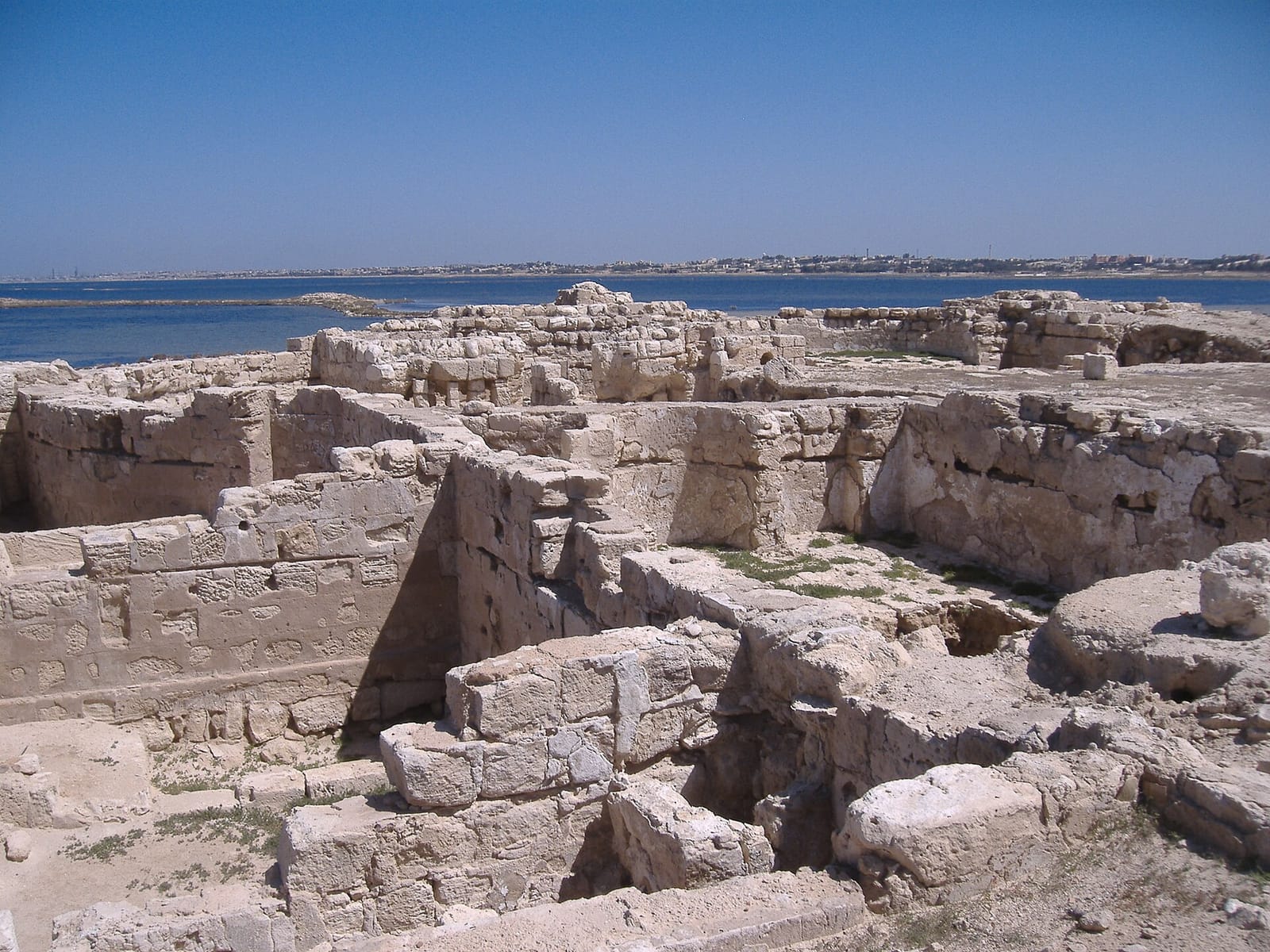
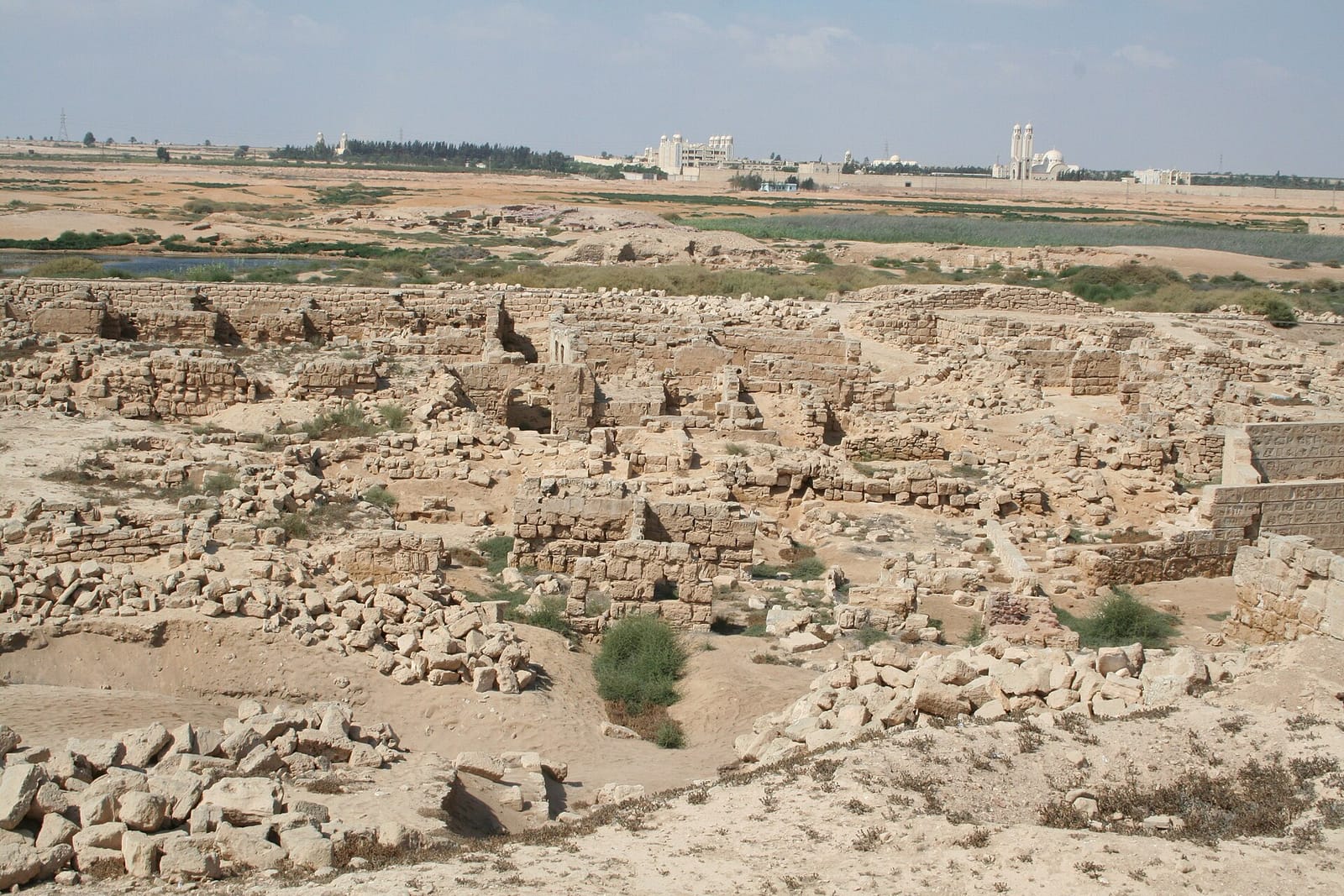
An early Christian holy city built over the tomb of the martyr Menas of Alexandria, a pilgrimage centre, on UNESCO’s World Heritage List since 1979.

The story

What sets it apart

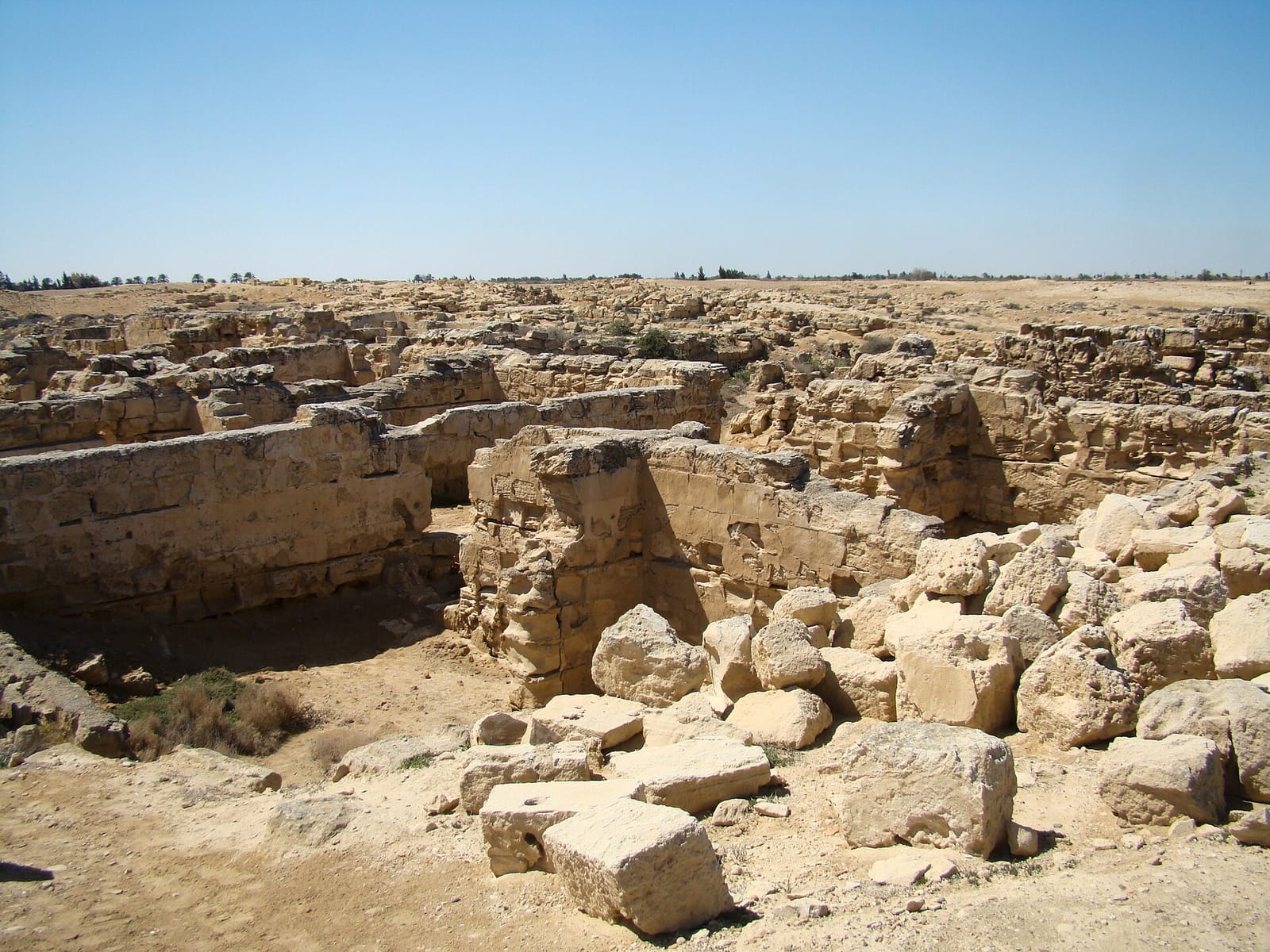
An early Christian pilgrimage city of limestone in the Mariout desert, over the tomb of the martyr Menas.

  • 1The ruins of the churches and basilicas
  • 2The tomb of the martyr Menas
  • 3The old monasteries, houses and workshops
  • 4The modern Monastery of Saint Mina next door

UNESCO says the church, baptistry, basilicas, public buildings, streets, monasteries, houses and workshops of this early Christian holy city were built over the tomb of the martyr Menas of Alexandria, who died in AD 296, and that the site shows the growth of an early Christian pilgrimage centre from the 5th to the 7th century AD.

Read more

UNESCO inscribed the site on the World Heritage List in 1979 and on the List of World Heritage in Danger in 2001; it was removed from that list in July 2025, El Watan reported. Youm7 (2024) says the area was registered as an archaeological site by decision 698 of 1956, and that it owes its fame to the tomb of Saint Menas.

The German archaeologist Kaufmann found the site in 1905, according to Arabic Wikipedia. It is often called “Abu Mena, Borg El Arab”, as UNESCO and the press write, but it lies inside El Amreya II District, south of New Borg El Arab city.
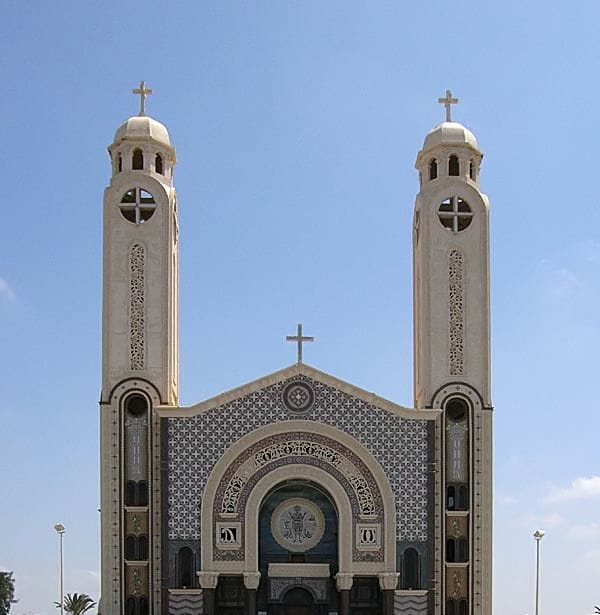
Mariout in antiquityAntiquity – 7th century AD

Its place in time

  1. Before itMareaAn ancient port, with a 5th-century AD basilica
  2. This landmarkAbu Mena5th to 7th century AD, over the tomb of the martyr Menas (AD 296)
  3. After itMonastery of Saint Mina1959

On the timeline of all the landmarks

Memories of the place

Every memory is taken from a published, documented source, named under it.

  1. AD 296

    The martyr Menas of Alexandria died; the early Christian holy city was built over his tomb.

    Source: UNESCO World Heritage Centre: Abu Mena, list no. 90 (archived 2025)

The other memories 5
  1. 5th to 7th century ADSources differ on this date

    UNESCO says the site shows the growth of an early Christian pilgrimage centre from the 5th to the 7th century AD; Youm7 dates the area to between the 4th and 6th centuries.

    Source: UNESCO World Heritage Centre: Abu Mena, list no. 90 (archived 2025)

  2. 1905

    The German archaeologist Kaufmann found the site.

    Source: Arabic Wikipedia: «أبو مينا»

The other memories3
  1. 1956

    The area was registered as an archaeological site by decision 698 of 1956.

    Source: Youm7: the Abu Mena archaeological area (10 Oct 2024)

  2. 1979

    The site was inscribed on the World Heritage List, and on the List of World Heritage in Danger in 2001.

    Source: UNESCO World Heritage Centre: Abu Mena, list no. 90 (archived 2025)

  3. July 2025

    Abu Mena was removed from the List of World Heritage in Danger.

    Source: El Watan: Abu Mena removed from the List of World Heritage in Danger (9 Jul 2025)

Around it

  • This landmark
  • A landmark nearby: open it

Map: © OpenStreetMap contributors

Nearby landmarks

Distances are as the crow flies, and approximate.